8 Packing Tips When Moving Out Of Your Home

Moving out of your home is one of those jobs that always feels bigger once you actually start. At first, it seems simple enough. Pack some boxes, book a mover, hand over the keys, and move on.
Then you open the spare room cupboard.
Suddenly there are old cables, half-used paint tins, board games, paperwork, Christmas decorations, spare bedding, broken appliances you meant to fix, and things you forgot you owned.
That is why good packing matters. Not just for getting your belongings from one place to another, but for making the whole move less stressful. Whether you are moving into a new home straight away, downsizing, renovating, or placing some of your belongings into storage, the way you pack will make a big difference.
These packing tips when moving out will help you stay organised, protect your belongings, and avoid turning move day into complete chaos.
Why packing properly matters when moving out
Packing when moving out of your home is different from simply tidying up or doing a quick clean. You are not just putting things away. You are deciding what stays with you, what goes into storage, what gets donated, and what should have been thrown out years ago.
If some of your belongings are going into storage, the packing process becomes even more important. A poorly packed box might be annoying in a new home, but in a storage unit, it can become a real headache. If boxes are not labelled properly, stacked well, or packed with access in mind, you may end up digging through half the unit just to find one item.
The goal is not just to get everything packed. The goal is to move out in a way that makes the next stage easier.
1. Sort what is leaving before you pack a single box
The first and most important packing tip when moving out is simple:
Do not pack everything.
A rushed move is the worst time to box up items you do not need. Otherwise, you end up lifting, moving, and storing things that will probably go straight to the bin or an op shop later.
Before you start packing, do a quick triage pass through the home.
Create three categories:
- Going into storage
- Going to the new place immediately
- Leaving behind
Even 15 minutes of sorting before you start packing can save hours of frustration later. Be honest with yourself. Storage space is valuable, and there is no point paying to store things you no longer want or use.
If you are moving out of a rental, this is also a good time to separate anything you still need for the final clean, key return, or end-of-lease inspection.
2. Grab the right boxes – Don’t improvise
It is tempting to collect random boxes from the supermarket when you are moving out quickly. But try to avoid that if you can.
Inconsistent boxes can:
- Stack badly
- Collapse under weight
- Waste space in the storage unit
- Make unpacking much harder later
Uniform boxes are easier to stack, easier to label, and much better for making use of vertical space in storage. They also help protect your belongings because they are designed for moving, not just for carrying groceries or deliveries.
Jim’s onsite box shop has everything you need, including standard moving boxes, packing tape, bubble wrap, and protective materials. That means you can get organised in one place instead of wasting time running between different shops.
Getting the right materials at the start is one of those moving house packing tips that genuinely saves time overall, even if it feels like an extra step when you are rushed.
3. Pack by weight, not by category
When speed is the priority, it can feel natural to pack by room or category. Kitchen items in one box. Books in another. Bathroom items together.
That approach can work, but when you are moving out quickly and putting things into storage, weight matters just as much as category.
A better approach is:
- Heavy items at the bottom of each box
- Lighter items on top
- Heavier items in smaller boxes
- Lighter, bulkier items in larger boxes
- Every box kept to a manageable lifting weight
This helps prevent boxes from collapsing when stacked. It also makes the moving process safer, because no one wants to discover that a huge box is full of books only after they have tried to lift it.
As a general rule, avoid packing boxes so heavily that they are difficult to carry. A slightly smaller box is much easier to move safely than one oversized box that takes two people and a lot of swearing.
4. Label every box before it is sealed
Labelling is one of the most useful packing tips when moving out, but it is also one of the easiest steps to skip when you are in a hurry.
Do not skip it.
Label the top and at least one side of every box before you seal it. This matters because once boxes are stacked in a storage unit, a label on the top may disappear under another box.
For each box, write:
- The room it came from
- A short summary of what is inside
- Whether it needs to be accessed soon
You can also use a star, coloured marker, or sticker for boxes you may need early. For example, kitchen basics, work items, important documents, or kids’ school supplies.
It may feel like a small detail while you are packing, but you will be grateful later when you are not opening six different boxes looking for the kettle.
5. Pack clothes the smart way
When moving out in a hurry, you do not always need to fold every single piece of clothing into a box.
Clothes already on hangers can be moved in large bags tied around the hangers. You can then place them into a wardrobe box, lay them flat, or hang them on a portable clothes rack once they reach storage.
This is useful because:
- It is faster than folding everything
- It helps clothes keep their shape
- It makes them easier to access later
- It reduces the amount of unpacking and repacking
For folded clothes, vacuum storage bags are a great option. They compress bulky items like jumpers, jackets, doonas, and spare bedding. They also help protect against dust and make much better use of storage space than loosely packed boxes.
Just be mindful not to over-compress delicate fabrics for long periods. For everyday clothing and bulky soft items, though, they can be a real space saver.
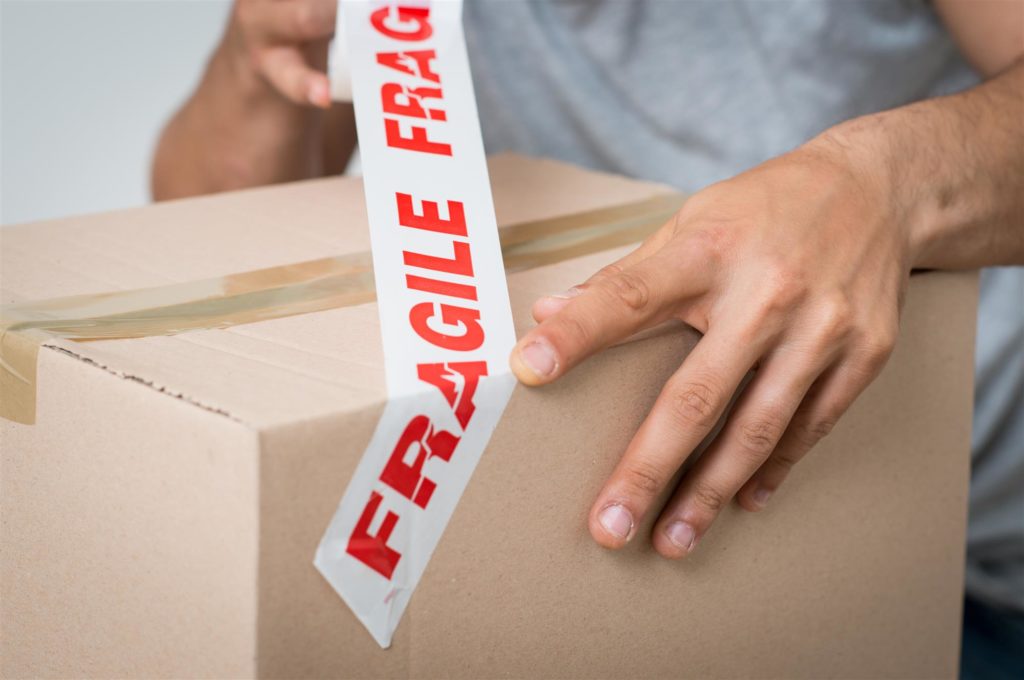
6. Protect fragile and awkward items properly
Mirrors, framed art, TVs, lamps, appliances, and large fragile items are often the things that slow down a move. People leave them until the end because they are not sure how to pack them.
That usually creates more stress.
Instead, deal with awkward items properly before the final rush.
Use bubble wrap, packing paper, cardboard, and protective covers where needed. Mirrors and framed artwork should be kept upright where possible, with the corners padded and the surface protected. Mattresses should go into mattress bags to protect them from dust and moisture while in storage.
Appliances need extra care too. If you are storing a fridge or freezer, clean it thoroughly and make sure it is completely dry before putting it into storage. Moisture trapped inside can lead to mould and unpleasant smells.
It might be tempting to wrap fragile items in towels or clothing, but proper packing materials are usually safer. Towels can shift during transport, leaving breakables exposed right when they need protection most.
7. Plan your storage unit before you start loading
This is one of the most important tips for packing when moving out and putting items into storage.
Do not just load everything into the unit randomly.
Before you start filling the space, think about what you may need to access later.
- A practical storage layout should include:
- Frequently needed items near the front
- Seasonal or rarely used items towards the back
- Heavy boxes on the bottom
- Lighter boxes on top
- Furniture placed against the walls where possible
- A narrow walkway if the unit is large enough
If you are storing appliances like fridges or washing machines, leave the doors slightly open to help prevent mould and stale odours.
It is also worth keeping all labels facing out where possible. A tidy storage unit is much easier to manage than one packed like a game of Tetris with no clear plan.
8. Keep a moving-out essentials box separate
When you are packing in a hurry, it is very easy to accidentally send things you still need straight into storage.
Before the final boxes are sealed, create one essentials box or bag that stays with you.
This could include:
- Toiletries
- Phone chargers
- Medication
- Important documents
- A change of clothes
- Snacks and bottled water
- Basic cleaning supplies
- Bin bags
- Keys, remotes, and move-related paperwork
If you are leaving a rental, you may also want to keep your cleaning products, condition report, garage remotes, and spare keys separate until the final inspection is complete.
This essentials box should not go into the storage unit unless you are absolutely sure you will not need it. Keep it in your car, take it to your new place, or place it somewhere obvious so it does not get mixed in with everything else.
It is a simple step, but it can save a lot of frustration at the end of a long moving day.
Jim’s can help with the rest
If moving out has you looking for somewhere to put your belongings quickly and safely, Jim’s Self Storage in Williamstown can help.
With over 950 secure units in a range of sizes, flexible storage terms, and complimentary move-in van hire included with every new sign-up, Jim’s makes it easier to store your belongings without adding extra stress to the move.
Our team can also help you work out the right unit size, so you are not paying for more space than you need.
Get in touch or get a quote online today.
WESTERN SUBURBS STORAGE UNITS
Use our handy quote form to find an affordable and secure self storage space to suit your needs in Melbourne's west!
GET A QUOTE